Crisis in Lebanon: Compassion Protestant Society Acts on Lessons Learned
Lebanon is no stranger to hostilities. The most recent hostilities first began in 2024; while a ceasefire agreement temporarily reduced the large-scale hostilities, the communities in southern Lebanon, particularly those in border areas, lived under recurring insecurity, intermittent strikes, and prolonged uncertainty. Then, just as people and communities were beginning to rebuild and seek a sense of normalcy, in the early hours of March 2, 2026, those same residents of southern Lebanon were told to evacuate. Lebanon was plunged into a new wave of violence as it became increasingly entangled in the broader regional escalation. The wave violence included devastating strikes that affected Beirut and other parts of the country, and it has left more than one million people displaced throughout Lebanon.The following is a story of how one of our faithful partners has responded:Lebanon, a country that has endured armed conflict and hostilities for three generations, experienced a sharp intensification of violence in the past two months. Beirut and other parts of the country experienced devastating strikes and intensified military activity, including repeated evacuation orders and widening geographic impact. It has triggered large-scale displacement across Lebanon.
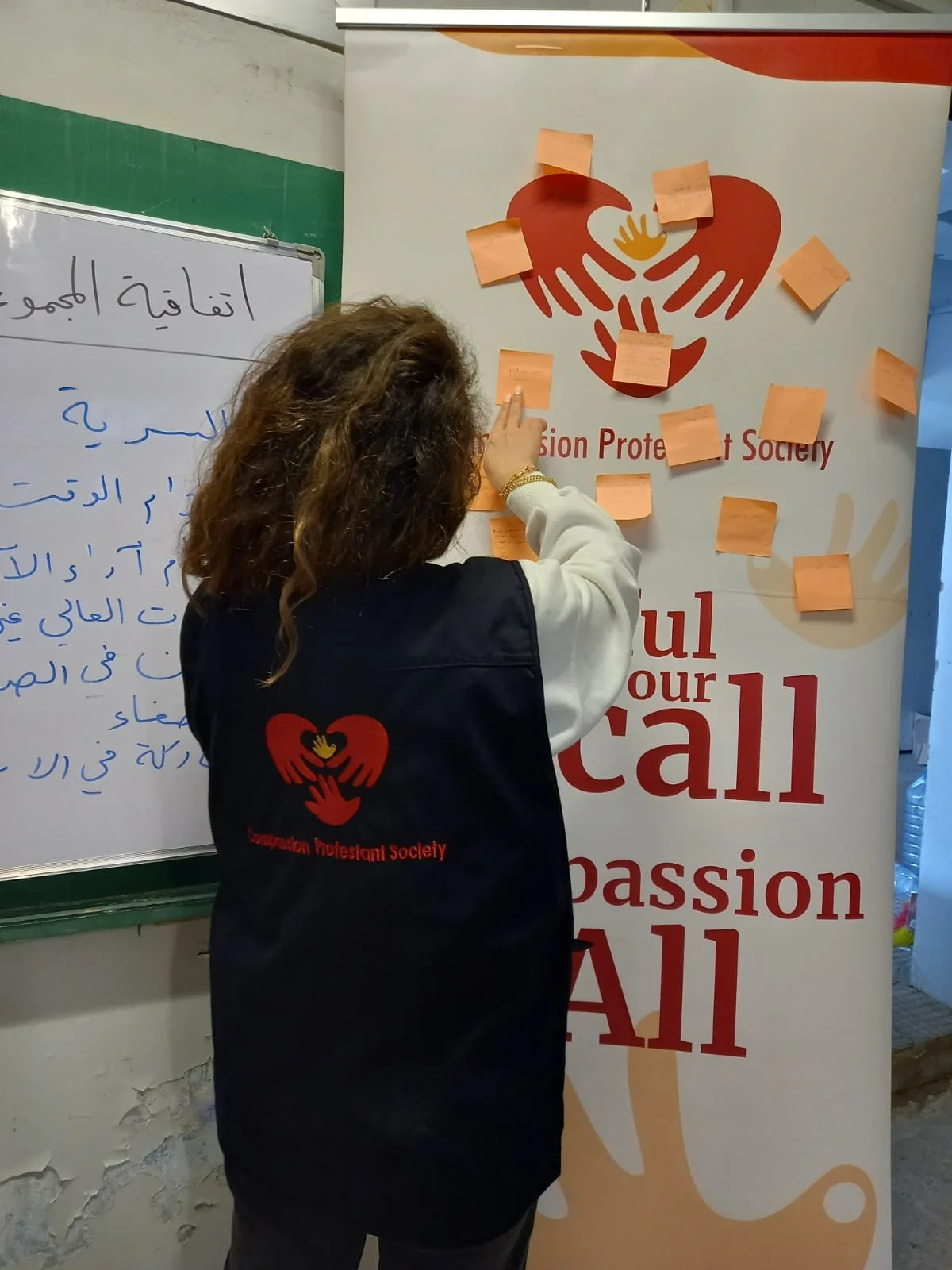
“Lebanon entered a new and deeply painful chapter of the crisis as the country became increasingly entangled in a broader regional escalation,” wrote the leadership of Compassion Protestant Society (CPS).
More than one million people have self-registered as internally displaced in the last two months, according to humanitarian reports. Somewhere around 127,000 people are accommodated in shelters throughout Lebanon. The rest are left to seek shelter elsewhere – perhaps with family or friends. Wherever they can find safety. For many, returning to their villages may not be possible in the foreseeable future.
The humanitarian impact of the current crisis cannot be overstated.
In Beirut, the collective shelters are largely public schools that have been temporarily repurposed for emergency use. The students haven’t been able to attend school. Some haven’t done so since the first shelters opened during conflict in 2024.
Public discourse is increasingly tense and divisive, particularly around questions of responsibility, identity, displacement, and the future of the country. Faith leaders believe this fragmentation poses a significant threat to Lebanon’s already fragile social fabric.
Despite the difficult circumstances, Compassion Protestant Society, the diaconal arm of the National Evangelical Synod of Syria and Lebanon (NESSL), has courageously responded to the crisis in a manner that is both operationally realistic and faithful to its calling.
Having learned from the hostilities of 2024, CPS was prepared. It mobilized the first day of renewed violence with a community-based response strategy centered on local churches, existing community structures, and trusted relationships developed over years of ministry and humanitarian engagement.
The preparations allowed for rapid mobilization despite the highly volatile conditions.
CPS’s plan focused on five interconnected priorities:
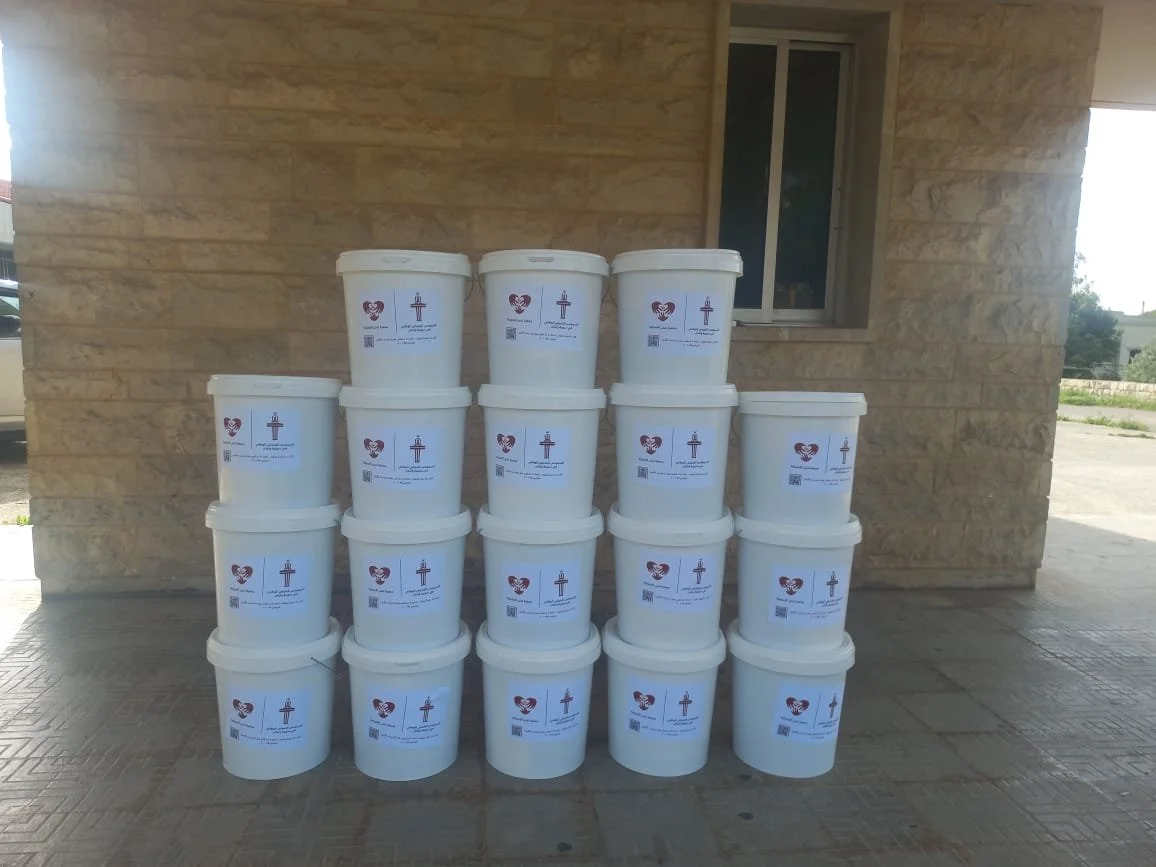
Emergency relief assistance for displaced and vulnerable households
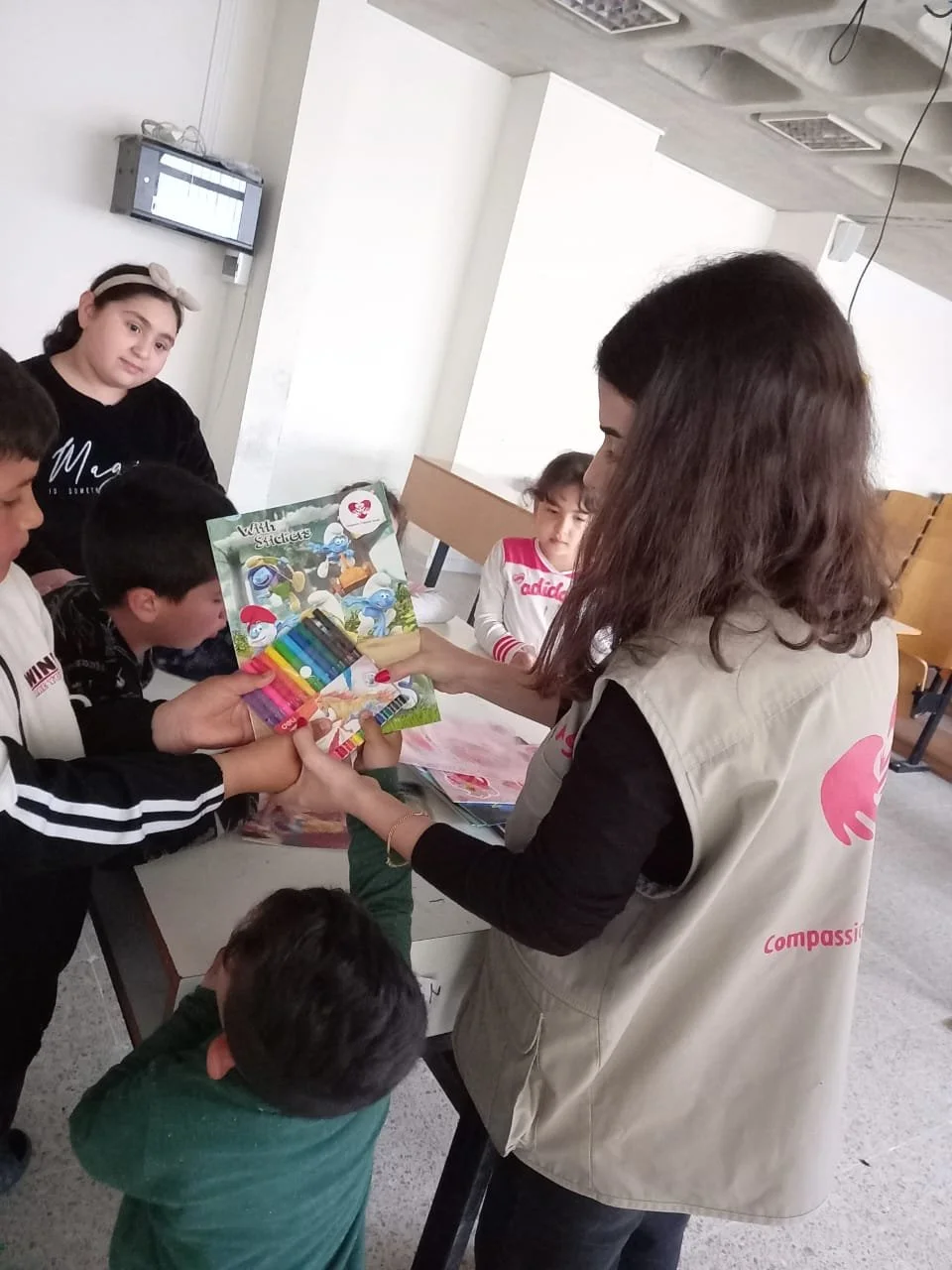
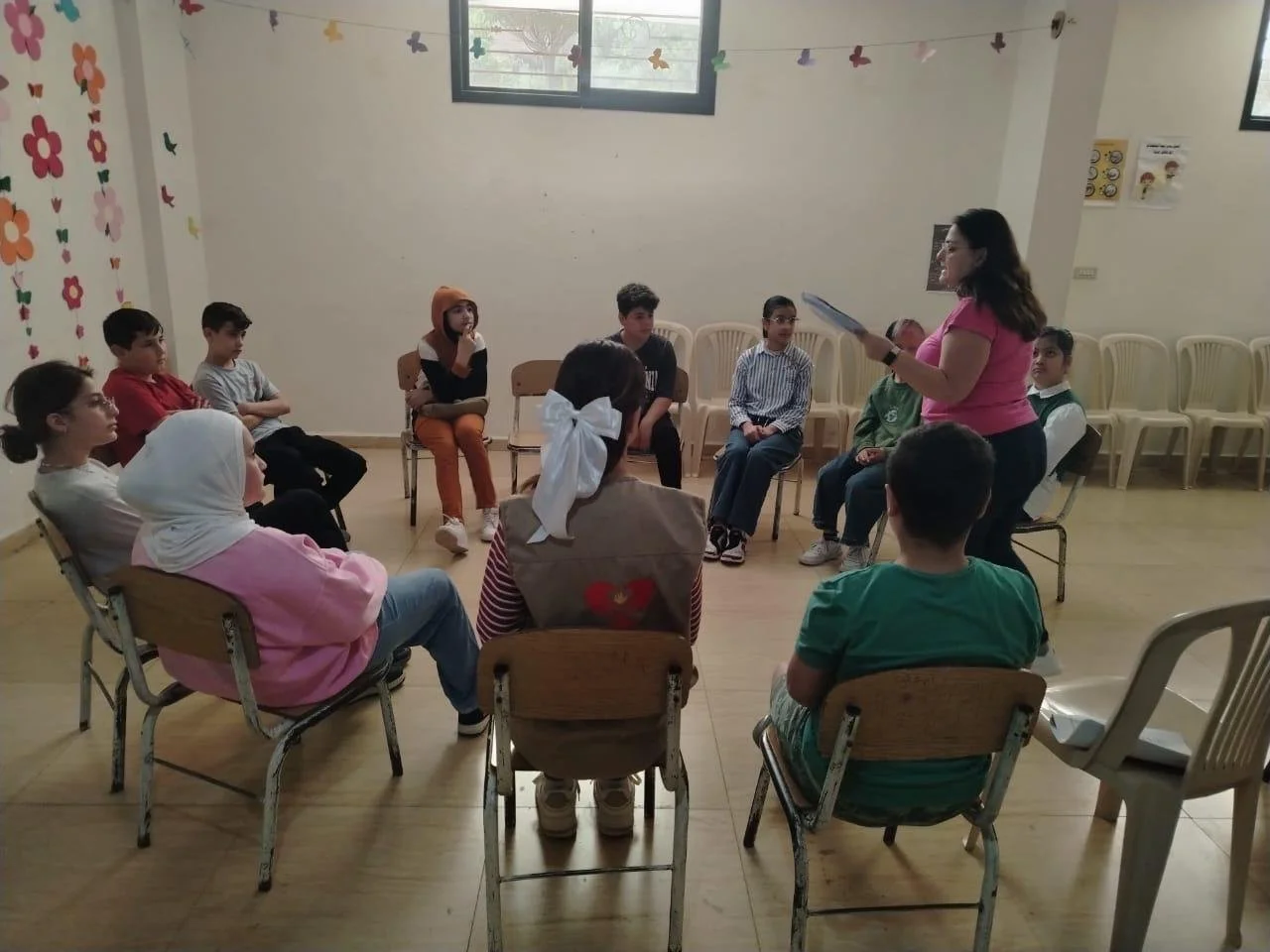
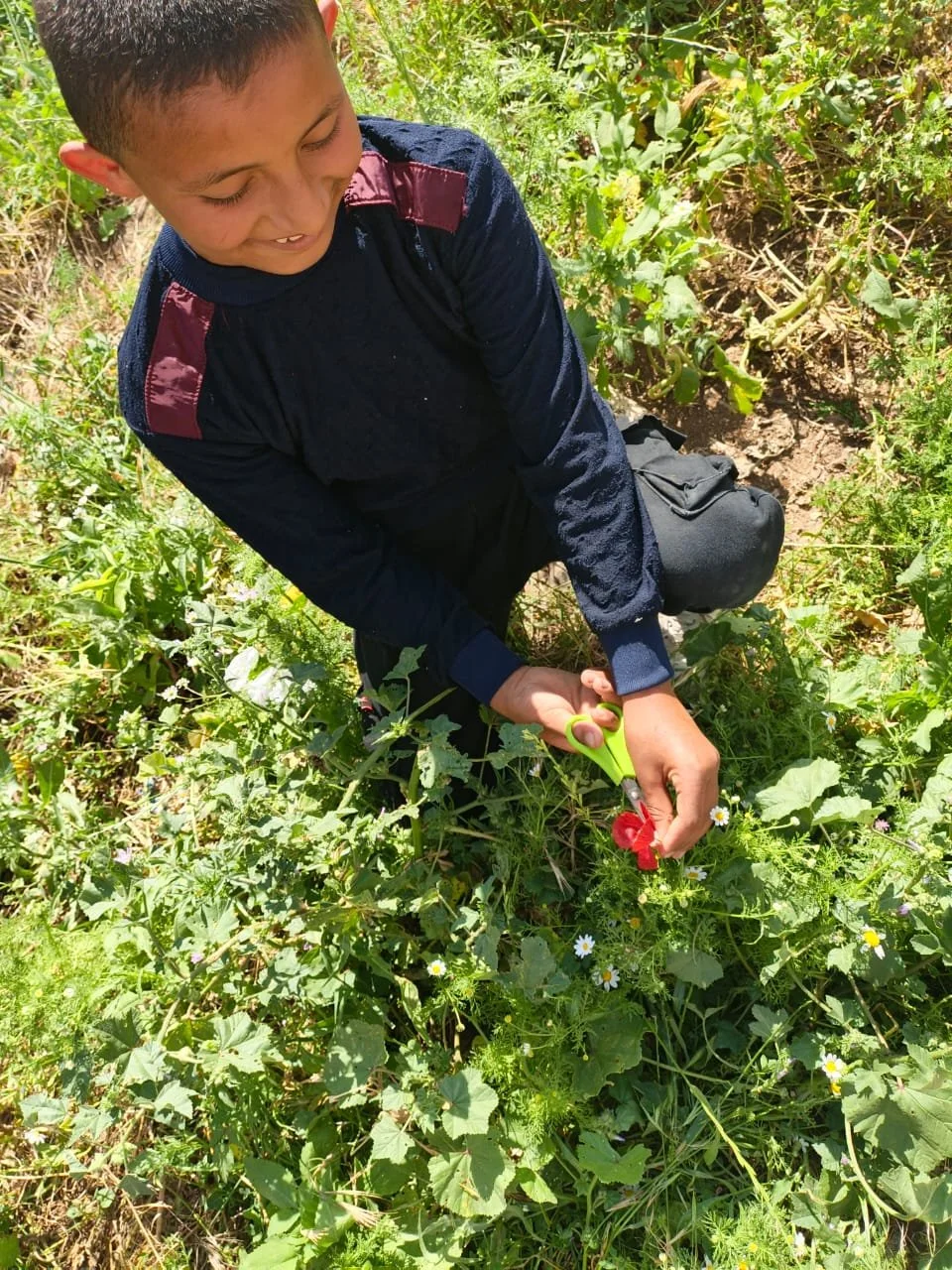
Psychosocial support and safe spaces for children and caregivers
Community-based solidarity and accompaniment through local churches
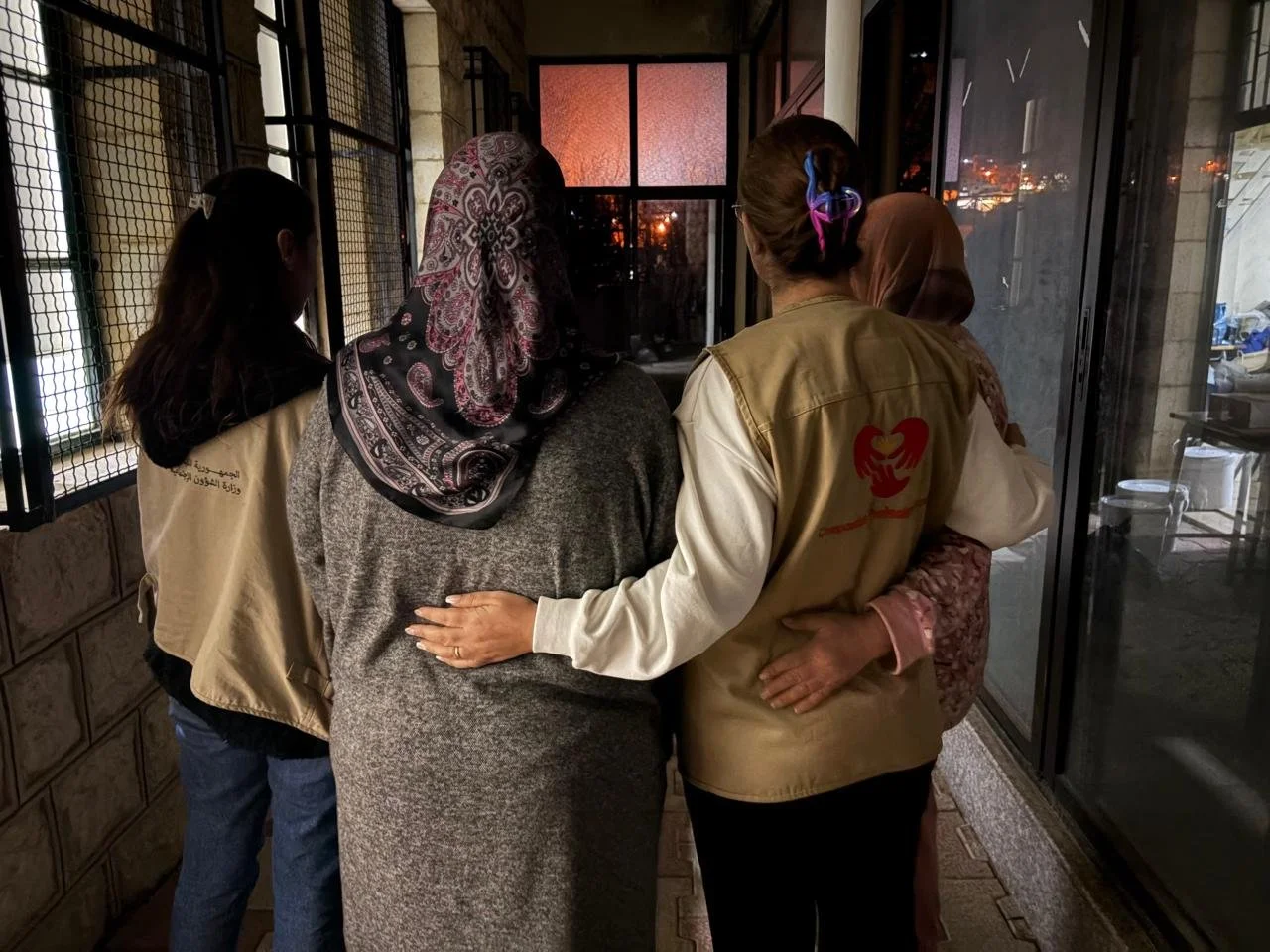
Protection-oriented support for women and vulnerable families
Strengthening the resilience and response capacity of local faith communities
Shaped by growing concerns of social fragmentation and polarization, CPS’s approach invites the Church to extend its role beyond relief provision and into protecting social cohesion, fostering compassionate engagement, and resisting narratives of exclusion and hostility.
What does that mean exactly? Rather than exclusively focusing on serving a high volume of people, CPS is focused on meaningful acts of service that restore agency, dignity, and hope among displaced people. It prioritizes relationships over numbers.
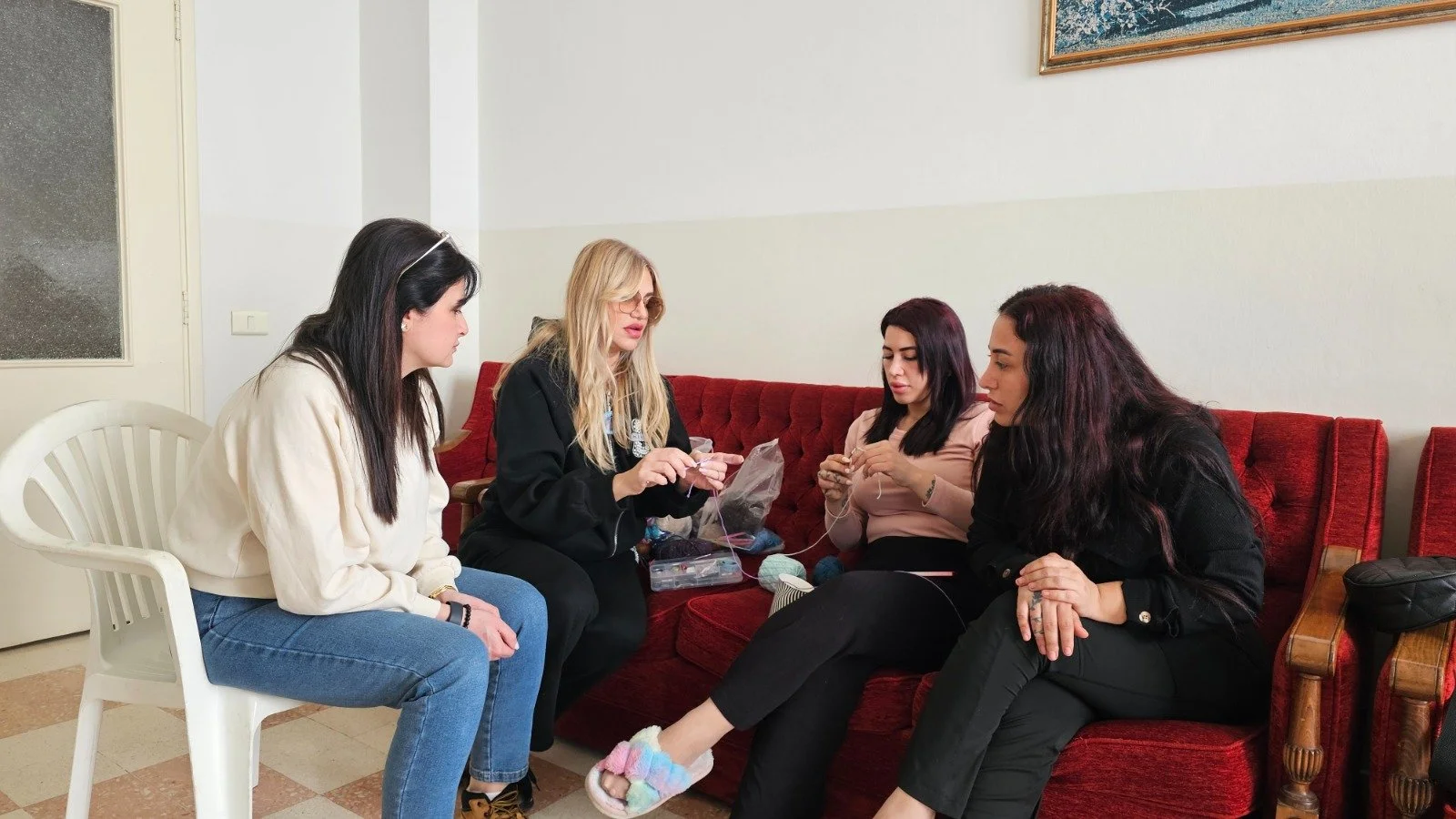
At least 119 displaced people have eaten meals in local churches; 263 hygiene kits have been distributed through churches and community centers; 56 children and 20 women have received psychological support; 45 women and teenage girls have enrolled in the “Stitched” program, a unique training opportunity that provides skills to support one’s family.
In just two months, CPS’s efforts have touched more than 1,000 lives.
All the while, CPS continues to maintain uninterrupted activities through its headquarters and its network of Compassion Community Centers and church partners, adapting existing programs and facilities to meet emerging humanitarian needs.
This continuity enabled CPS to sustain relational presence and community trust during a period marked by fear, displacement, and uncertainty.
While emergency assistance remains critically important, many communities are entering a new phase marked by prolonged uncertainty, emotional exhaustion, economic strain, and deepening social fragmentation.
CPS stands ready – committed to sustaining longer-term initiatives that contribute to resilience, healing, and social cohesion across Lebanon and Syria.
This includes:
continuing holistic education and psychological support for vulnerable Syrian refugee children through Compassion Community Centers
advancing peacebuilding and nonviolence initiatives through the Seeds of Peace program
supporting churches and local communities in strengthening their role as agents of resilience and transformation through the HOME project
As Lebanon navigates an increasingly fragile future, CPS believes that sustaining hope, preserving human dignity, and strengthening the bonds between communities will remain essential elements of recovery.
And that’s where you come in.
THE OPPORTUNITY
Pray for the work of CPS as they continue to serve the people of Lebanon and Syria. Pray, too, for wisdom, protection, and peace for Lebanon and the wider region.
In addition, The Outreach Foundation is seeking gifts of any size to support not just the humanitarian relief efforts, but also the ongoing mission and ministry of Compassion Protestant Society. You may make a gift by mailing a check to the address below with CPS in the memo line. You may also make a gift on the GIVE page of our website at www.theoutreachfoundation.org.