John 1:5 contains a beautiful promise: “The light shines in the darkness and the darkness has not overcome it.”
The Outreach Foundation is engaging congregations and donors to bring Christ’s light into some of the world’s darkest spaces. In such locations, Christian persecution is frequent and severe, and we must exercise caution in speaking of the gospel-centered work being done there. In these areas, there are tremendous opportunities to join in the miraculous story being written, yet the U.S. church allocates the least amount of its mission resources to them. We are privileged to have trusted partners in these hard areas, and to share some of their stories with you.
Pakistan
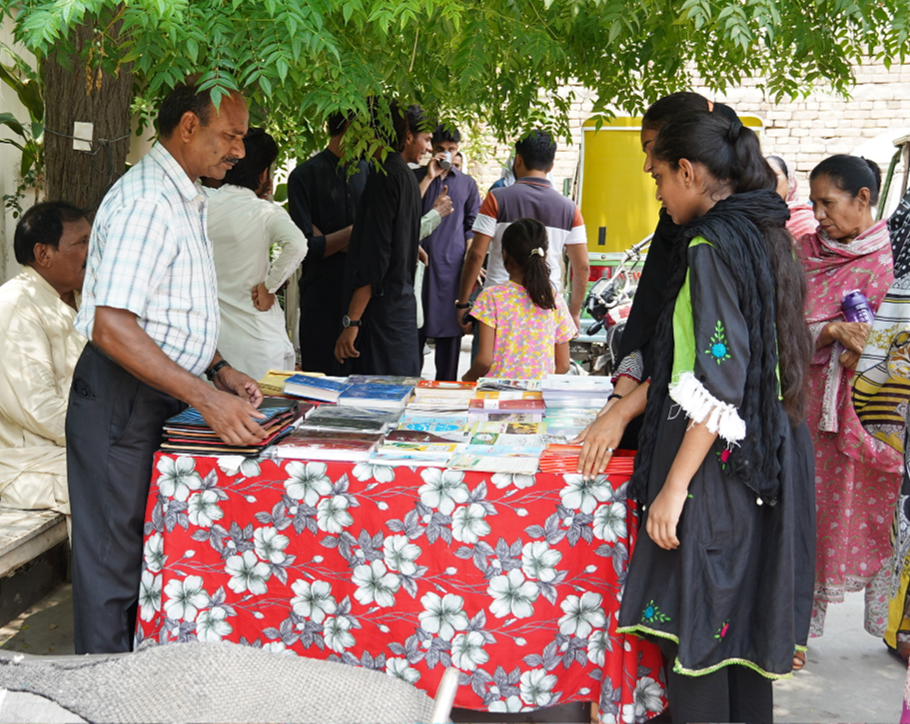
As one of our trusted partners in Pakistan wrote recently, “There’s a story unfolding in Pakistan we can’t ignore.” Pakistan is the 5th largest country in the world — and one of the youngest. More than three-quarters of its 255 million people are under age 36. There is a widening gap between their need for a relevant faith that cares for the whole being, and the ability of the majority religion to provide answers and show God’s compassion. Many are searching for meaning and hope, yet few have ever heard the good news of Jesus.
Each of our partners is achieving the unthinkable in Pakistan, “the pure land,” one of the darkest spaces in the world. Our Pakistan strategy is focused on bringing resources and encouragement to Christian leaders who are sharing the gospel courageously and boldly in a country where they face severe persecution. When disaster strikes, the Christian community is able to stand above the others in providing meaningful care.
Over the summer we received inspiring reports from our partners, Pakistan Christian Recording Ministries, Pakistan Bible Correspondence School, and PAK Mission Society. Highlights include:
multiplication of new believers from both majority and minority communities
double-fold growth in registrations of uneducated rural pastors and their wives for a training program (Ministry Essentials Training Program) fueled by our donors
influence of social media for witnessing to the majority population is on a dramatic rise, into the millions, resulting in thousands of verified new believers
a new generation of pastors, neither dependent on the west nor enmeshed in the cycle of corruption that has infected the church and its seminaries, who are meeting the needs of these new believers
a new wave of young Christian leaders being trained to provide holistic mission to the Pakistani population and refugees from Iran and Afghanistan, which is a dramatic shift in previous patterns
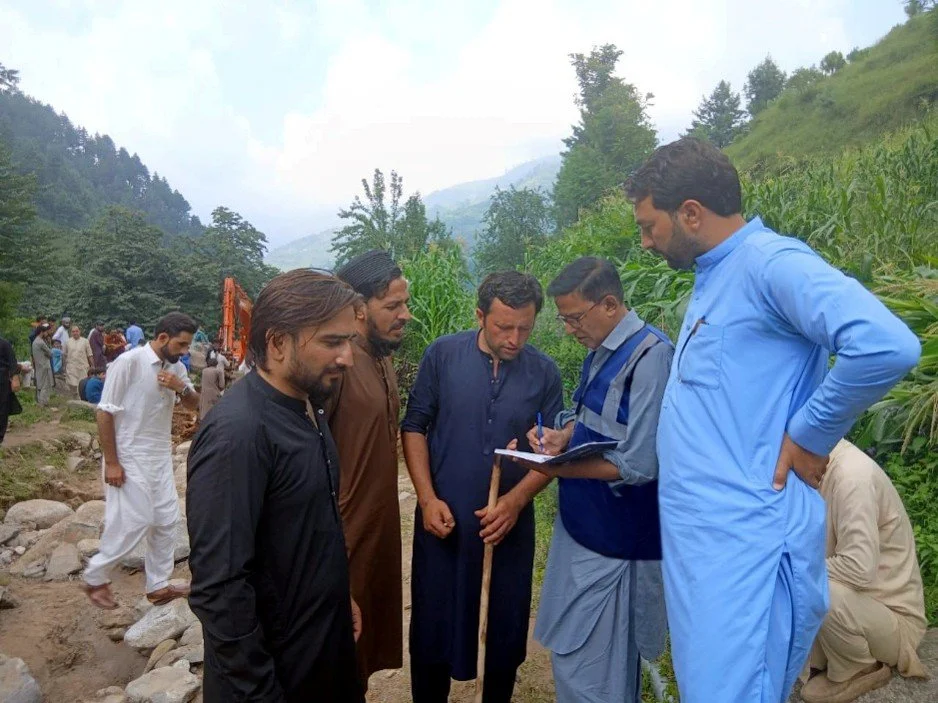
Record-breaking floods over the summer have provided a significant opportunity to fuel the holistic mission efforts of PAK Mission Society (PMS). PMS is our preferred partner for relief work that extends through their vast network of churches and other ministries. Christian communities in Pakistan receive no governmental support. In response, PMS deploys its teams to assist these communities, which are often in slums or in the low areas of villages where water collects. PMS not only provides immediate relief but also commits to a five-year rebuilding plan for qualifying areas, teaching them how to function as healthy communities while sharing the gospel with clarity. This effort needs much fueling, which our donors can provide.
Central Asia
Our newest hard area will take us into several countries that form Central Asia. These are the “-istans” and were once part of the USSR. Sadly, Russia has begun exerting tremendous pressure in these countries, making life challenging for national Christians living there. Their hope for partnership with us comes at an important time. In God’s perfect timing, the war in Ukraine led to this amazing development. Central Asia is the mission field for Ukrainian Christians and despite the war with Russia, their mission has continued. Representatives with the PAK Mission Society were among the first on the ground to respond to the aftermath of the summer’s horrific flooding. Their work brings relief to communities where Christians are routinely overlooked by their government.
To visit Central Asia seems like a visit to South Korea, because 4th generation Koreans now live there. This area was a primary sending location for South Korean missionaries, many of whom were Presbyterians. While each country has its own national language, the lingua franca of the region is Russian. Central Asia is marked by gorgeous mountains and is a major tourist destination for travelers from Asia and Europe. Yet many of its problems arise from the significant drug trade along the Silk Road region between Afghanistan and Russia.
Central Asia is inhabited by many different people groups, which we refer to as “nationals,” each with its own unique language, culture, and food. Given the significant history and proximity to Russia, there are many Russian expats as well. The USSR brought roads and schools to this region so allegiance to Russia runs high.
The religious context is complex, but here is a high-level perspective: The several countries comprising Central Asia are Muslim majority. Russian Orthodox and Catholic faiths are the dominate non-majority religious traditions. Other Christian traditions exist, but these are not available to the national population. It is illegal for nationals to be part of a non-Muslim tradition. The consequences of doing so are severe, including long-term imprisonment, labor camps, and various financial consequences.
The pressure lessened in 2016, but recently there has been an escalation of pressure. For example, in Uzbekistan every church now has multiple facial recognition cameras installed by the government! In Kyrgyzstan, new laws as of January 2025 require churches to allow only those with special certification to have any function in a church. Failure to comply results in pastors being arrested and sharp penalties. Spies are everywhere (even in restaurants and coffee shops), and informants are paid money to notify the government of suspicious activity. It is a difficult situation!
So, how will The Outreach Foundation help in a way that is safe and doesn’t compromise the courageous believers who live there and are multiplying the church despite the challenges?
Our work in the Persian diaspora will expand to include the Persian-speaking national communities in Tajikistan and Azerbaijan.
Our primary partners for this regional work are Ukrainian Evangelical Theological Seminary (UETS) in Kyiv, Ukraine, and Tavriski Christian Institute. They are guiding our steps through trusted relationships in Central Asia.
We have “guides” from 13 denominations who form a unique alliance in Central Asia. This is a trusted group of pastors who have invited us to meet.
We will encourage the work of a Christian NGO that is closely related to UETS and has connections with more than 200 projects that provide water, small business loans, and other holistic forms of God’s work.
There is a robust church presence in these countries doing the incredible work of discipleship multiplication, evangelism, holistic mission, and witnessing in challenging spaces such as Myanmar, Malaysia, Cambodia, and Indonesia. These church leaders will benefit from our partnership in prayer, resourcing, and encouragement.
